A guest list is two documents pretending to be one: the biggest single lever on what your wedding costs, and a public statement about who matters to you. That is why it causes more friction than anything else in planning, and why doing it in the right order saves a lot of grief.
Start with the room, not the people
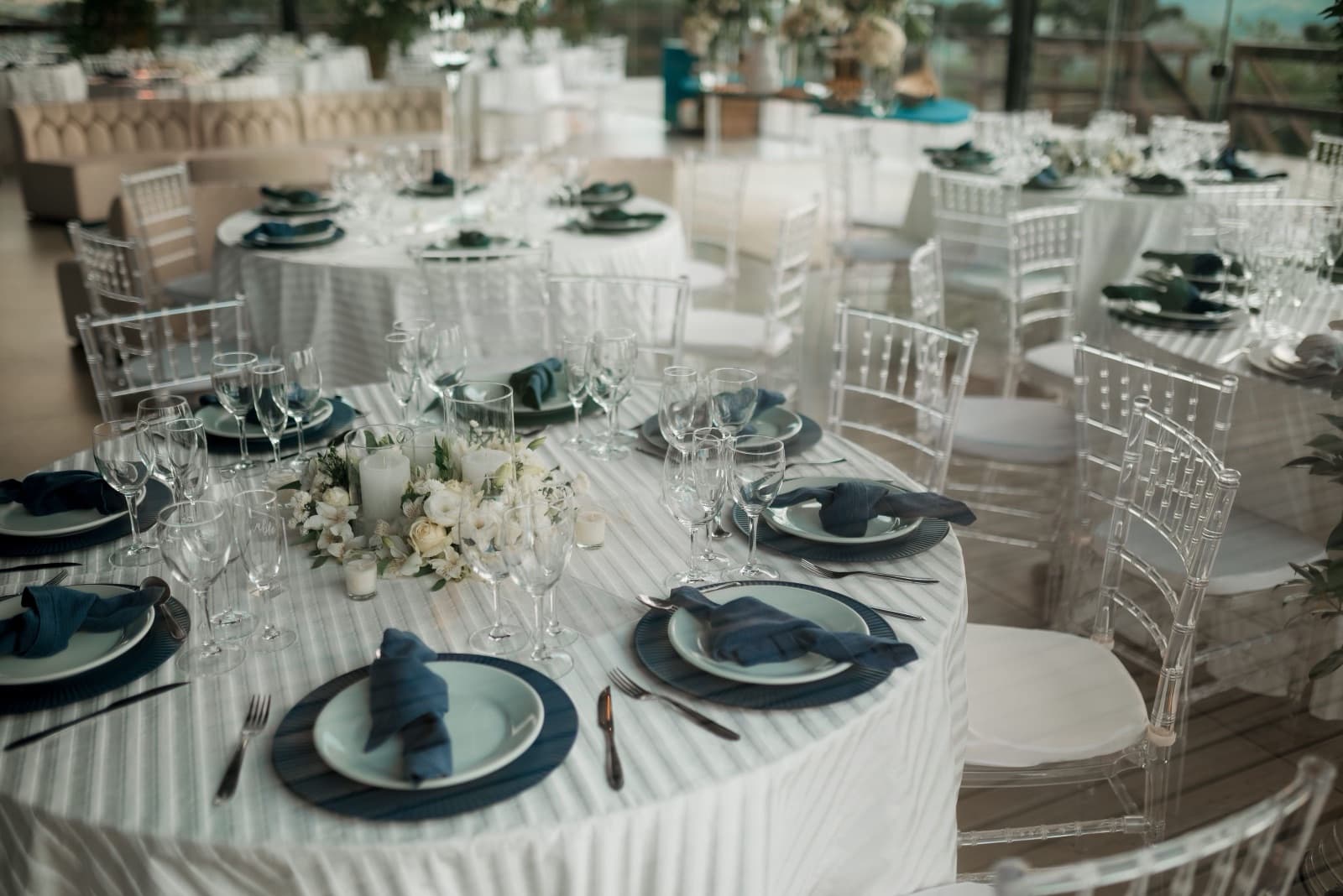
Decide the number before you write any names. Work out what your venue holds, what you can afford to feed, and what size of room you want to be in — then treat that number as a wall, not a target. Lists built name-first only ever grow, because every name arrives attached to a reason.
It helps to think in circles rather than ranks. Immediate family. People you would be genuinely upset not to have there. People you see regularly and by choice. Everyone else. Fill outwards and stop at the number, rather than starting with everyone you have ever liked and cutting backwards. That is where the arguments live.
Who gets to invite whom
Agree the split explicitly and early. Total number, then allocations — even if the answer is that each set of parents gets ten names and you keep the rest. Then the conversation is about a number rather than about a person, and it is much easier to say we only have ten than to say no to a particular great-aunt by name.
Money complicates this and there is no point pretending otherwise. If parents are paying a meaningful share, they will feel entitled to invite people. Set the terms before the money changes hands rather than after — and if the strings are unacceptable, a smaller wedding you control is a real option, not a defeat.
A test that actually works
Have you spoken to this person voluntarily in the last year? Would you meet them for lunch if they were passing through? If you saw them across a supermarket, would you say hello, or would you both pretend you had not noticed?
And the useful one: would you be sad if they were not there, as opposed to would they be offended not to be asked? Only the first is yours to answer.
Day guests and evening guests
The UK convention is worth understanding, because it is the main tool you have. Day guests come to the ceremony, the wedding breakfast and the speeches. Evening guests arrive later, usually around the cake cutting and first dance, for drinks, dancing and the evening food. It is a normal arrangement here — most people have been an evening guest without giving it a second thought.
Two things make it work. First, be consistent within groups: splitting one friendship group across day and evening is the version that stings, and people compare notes within about forty minutes. Second, be warm and specific — give the time, say what will be happening, and make it sound like the invitation it is. An evening invitation written as an afterthought will be received as one.
What not to do is use the evening as a quiet demotion for people you reclassified after they had heard about the day.
Plus-ones
Pick one rule and apply it without exception, because the exception is the only bit anyone notices.
- Partners people live with, are married to or are seriously involved with are invited by name. The most common approach and the easiest to defend.
- Everyone gets a plus-one. Generous, much more expensive, and it guarantees strangers in your photographs.
- Anyone who would otherwise know nobody gets a plus-one. Kind in principle, hard to apply consistently.
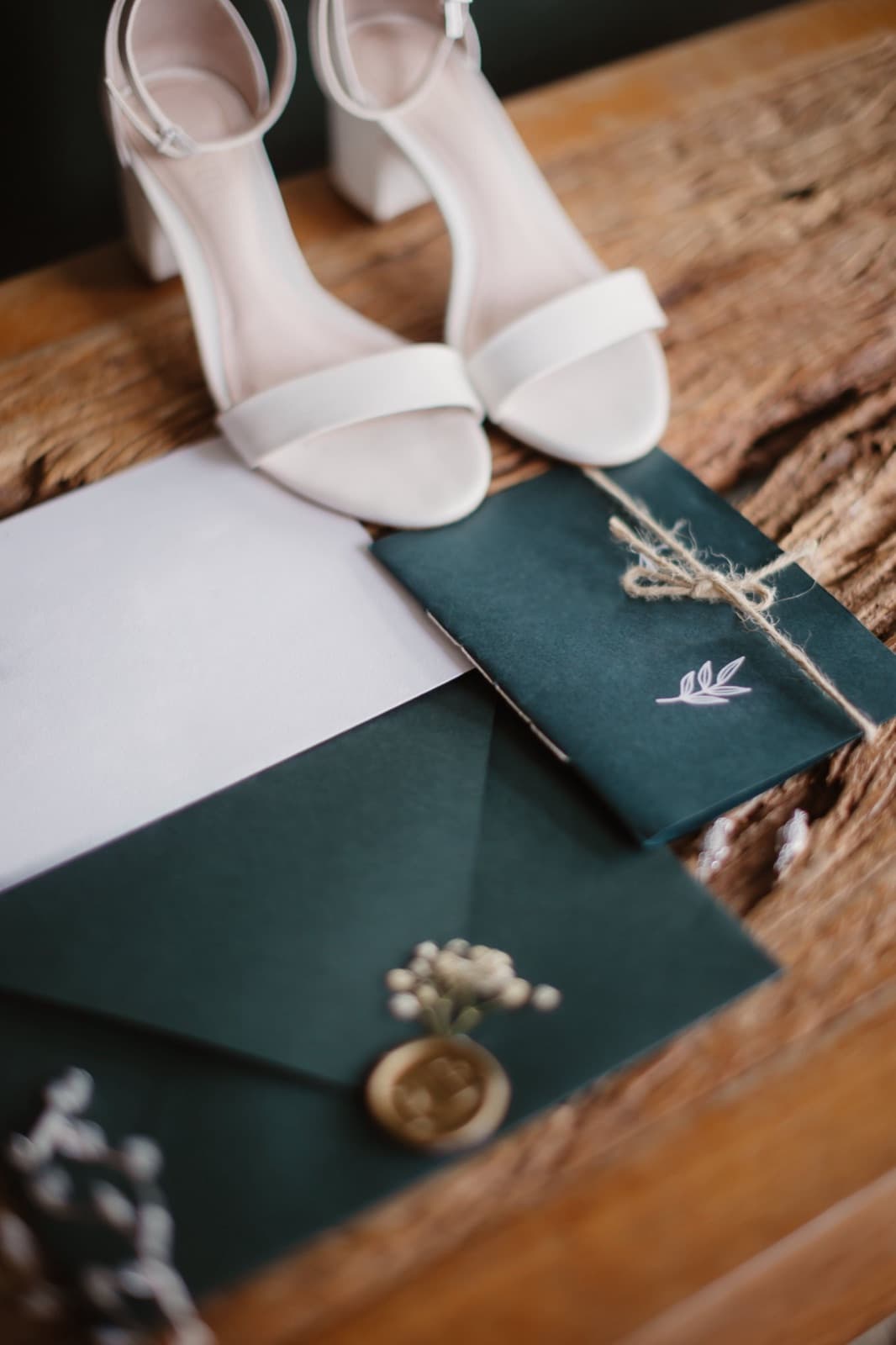
Address invitations to named people. Sam and Alex, or Mr and Mrs Smith — never Sam plus guest, and never Sam and family unless you mean it. Vague addressing is how uninvited people end up in your reception.
Children
Three workable positions: all children welcome, no children at all, or immediate family only — nieces, nephews and the children of the wedding party. The second is the most common, and the most likely to generate a phone call.
Say it plainly and in writing, on the details card, rather than leaving it to be deduced from the envelope. Something like: we have decided on an adults-only day, and we hope it gives you a rare night off. Then offer something practical — local babysitters, a nearby hotel, or the fact that the ceremony starts at one so a day trip is feasible.
Expect a few declines and take them well; a parent turning down an adults-only wedding is making a logistics decision, not a statement. Decide in advance where you stand on babies still being fed, rather than settling it by text at eleven at night.
Work colleagues
The honest test is whether you would still be friends if one of you left the job tomorrow. That usually produces a short list, and a short list is fine.
The hard case is a small team, where inviting three out of five is visible to all five. Invite the whole team, invite none of them, or invite the ones you genuinely socialise with and accept an awkward fortnight. What makes it worse is talking about the wedding constantly in the office while invitations are going out. Your manager is not automatically invited.
The B-list problem
The temptation is obvious: draw up a reserve list and send those invitations as declines come in. It backfires more often than it works.
People talk, and invitations arriving in waves are easy to spot. The maths rarely helps either — declines mostly arrive near the RSVP date, so a replacement invitation lands close enough to the wedding to announce exactly what it is. And someone who works it out is more hurt than they would have been by never being asked.
The better approach is one honest list you can afford. If early declines genuinely open up space, invite people individually and warmly, with a true reason attached: we have ended up with more room than we expected and we would really love you there. That reads as what it is; a batch of identical invitations posted eight weeks out does not. Evening invitations give you legitimate flexibility here too, being cheaper and less time-sensitive.
Holding the line kindly
Most awkward conversations go better if you answer quickly, give one reason, and do not negotiate. Long explanations read as an opening for debate.
Can I bring someone? — We have kept it to partners people live with, so it is just you this time, sorry. You will know plenty of people there, I promise.
Why isn't so-and-so invited? — We had to draw a line somewhere and it was a horrible list to make. We are keeping it small.
To a parent pushing for more names — We have got room for ten and that is genuinely the limit. If you want to add someone, tell me who comes off.
To someone who assumed their children were coming — It is an adults-only day, which I know is a nuisance. We would love you both there if you can make it work.
Say it once, kindly, then stop explaining. Repeating yourself with extra detail sounds like you are looking for a way to be talked round.
Two last things
Chase RSVPs by phone rather than by message. Plenty of people intend to reply and simply do not, and a thirty-second call gets a straight answer where a fourth text gets nothing. Keep the list somewhere you can both edit — a shared spreadsheet, or a planner like PlanHitch — and record who invited each person, because by month eleven nobody remembers whose cousin that is.
Then accept the premise: someone will be a little disappointed. A wedding that upsets absolutely nobody usually means a room full of people you barely know — a worse outcome than one cool conversation with a second cousin.