Ask anyone who has been married what they would change and a surprising number say the same thing: the day went too fast, and the bit that got squeezed was the bit they most wanted. That is rarely bad luck. It is nearly always a timeline that had no room in it, meeting a day that was always going to need some.
Weddings run late for three reasons, and all three are foreseeable.
The three things that eat the day
Getting ready takes longer than the schedule says. Hair and makeup for a group is a production line, and one person running fifteen minutes over pushes everyone behind them. If five people are being done by two artists, that is not a vague two hours — ask for a running order with a name against each slot, and add a buffer at the end of it.
Moving people is slower than moving yourself. A ten-minute walk becomes twenty-five with a hundred guests, some of whom are in heels, several of whom are holding drinks, and at least two of whom have gone to find the toilets. Every transition between spaces costs more than it looks like on a plan.
Group photographs expand. This is the big one, and it deserves its own section.
Group photos are the most underestimated item on the day
Each formal group takes roughly three to five minutes. Not the photograph — the photograph takes seconds. The time goes on locating the people, waiting for the uncle who has wandered off, arranging them, and doing it again because someone blinked.
Ten groups is therefore the better part of an hour, and it will be an hour taken directly out of your drinks reception, which is the part where you actually get to talk to anyone.
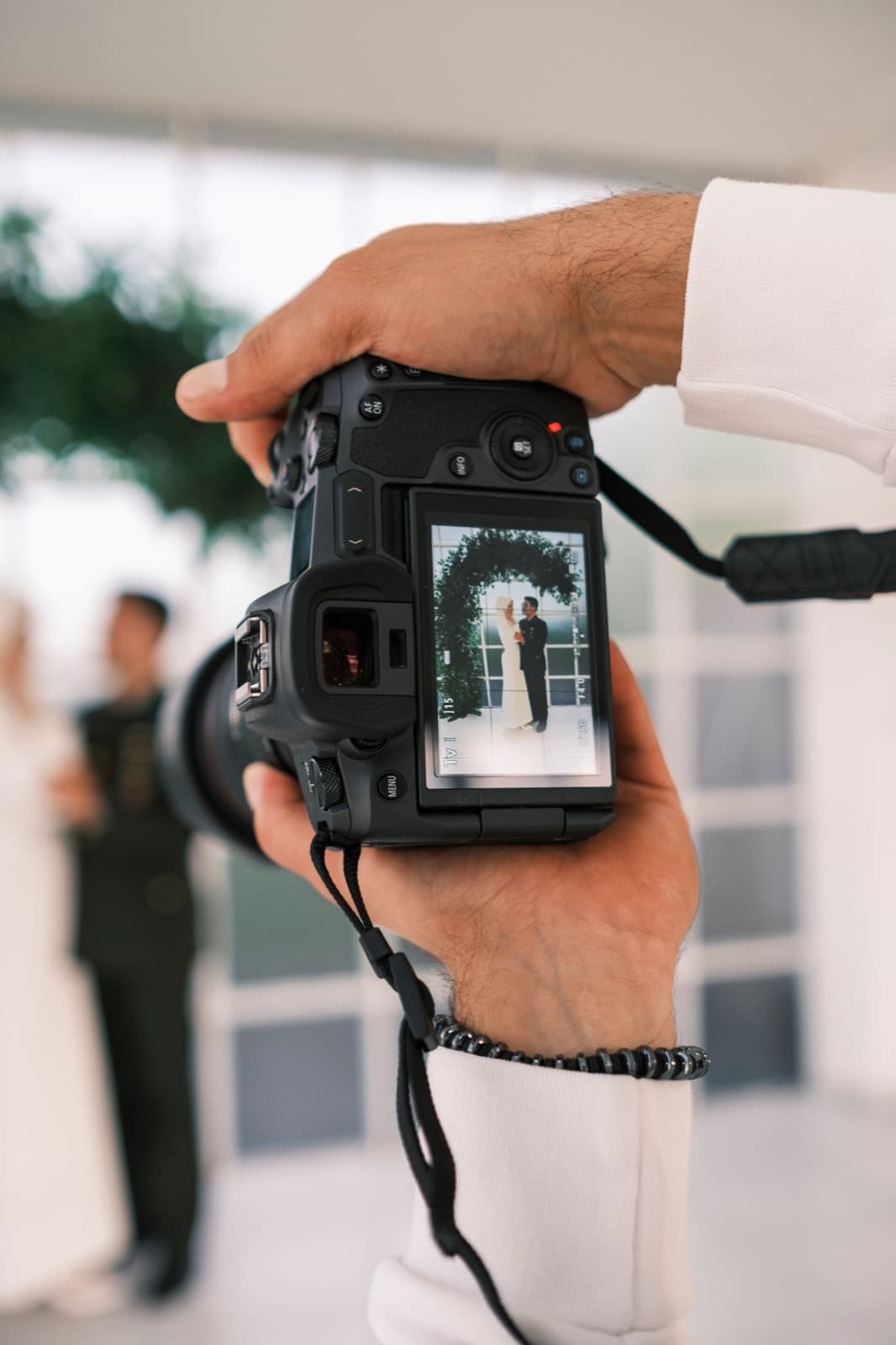
Two things fix this. Keep the list short — eight to ten combinations is plenty, and the rest can happen naturally. And nominate someone who knows both families by sight to round people up. A photographer calling "the bride's cousins?" into a crowd of ninety is not an efficient use of your afternoon. A designated aunt with a list is.
Work outwards from the fixed points
Some things cannot move. Build around those first:
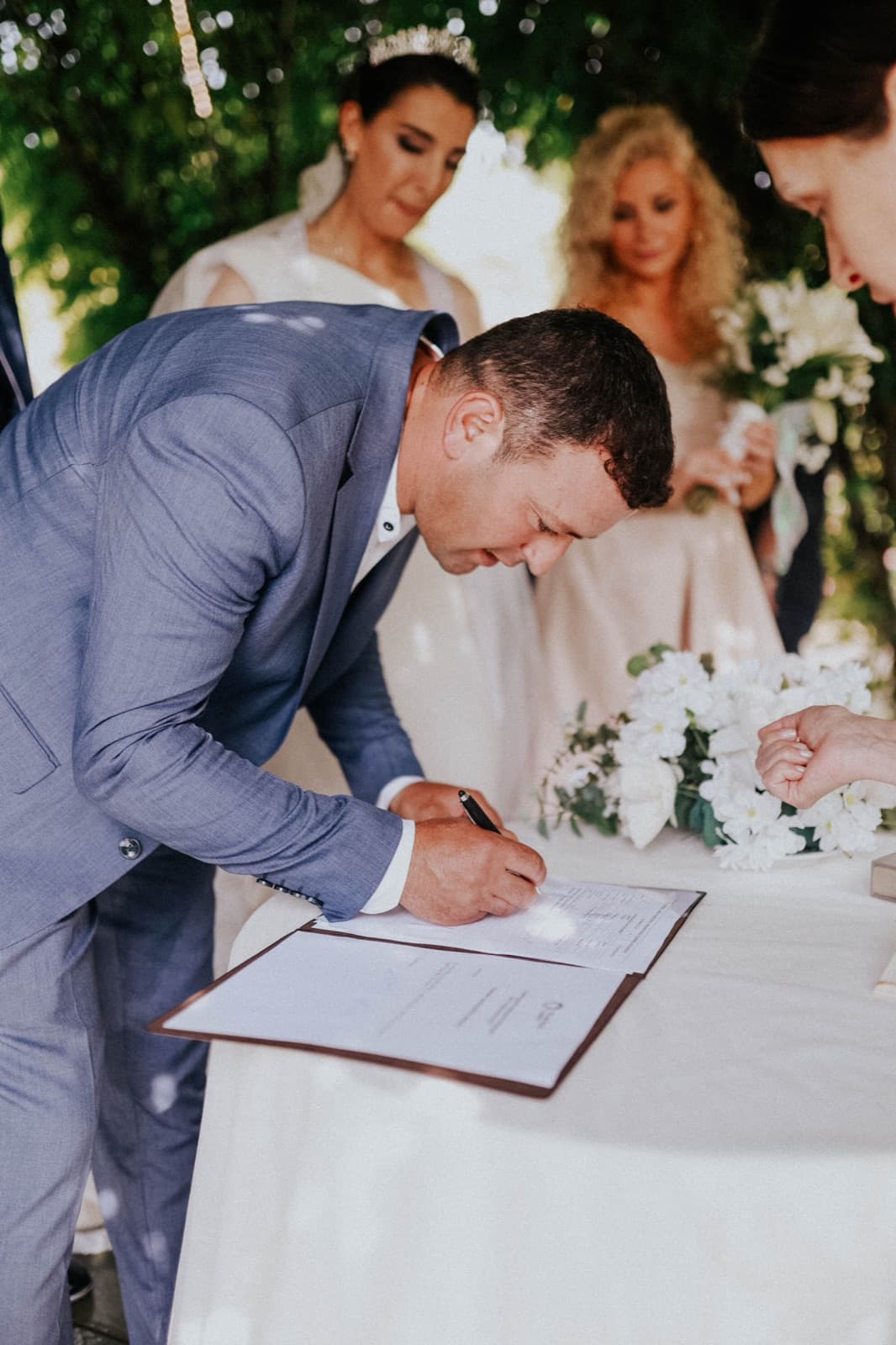
- The ceremony time. Set by the registrar or the church, and immovable.
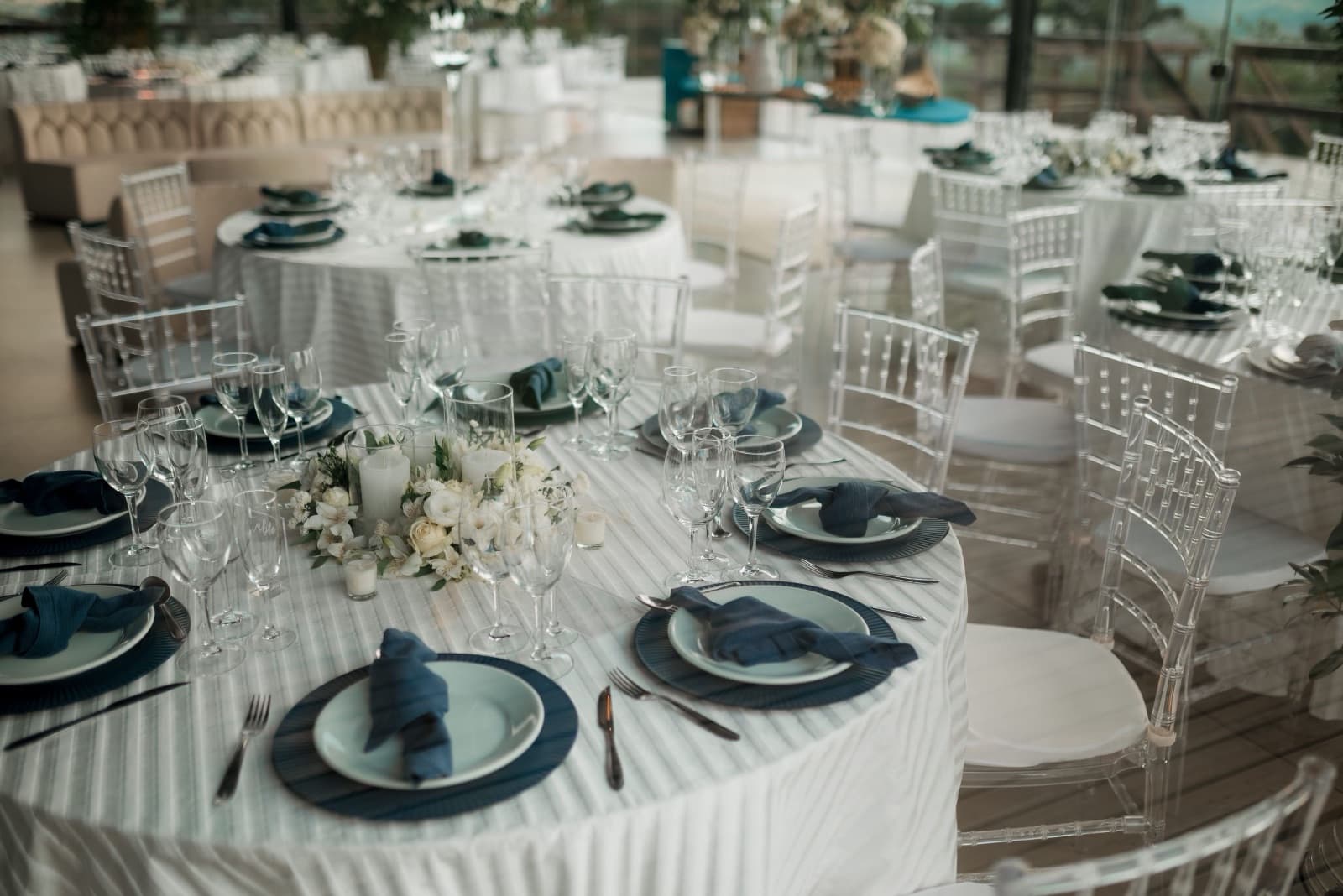
- The caterer's service time. Food is cooked to a schedule. Sitting down forty minutes late means dry chicken, and the kitchen cannot rescue it.
- Sunset. Genuinely a fixed point, and one people forget. In December the light is gone by four; in June you have it until nine. It decides when couple portraits are possible.
- The licence and curfew. When must music stop, and when must everyone be off site.
Everything else flexes around those four. If you are marrying in winter, the light is doing the scheduling, and portraits need to happen close to the ceremony rather than after the meal.
Put the slack where it is useful
Do not spread ten minutes of buffer thinly across the day. It gets absorbed and you never see it. Put it in two places instead.
The first is between finishing getting ready and needing to leave. This is the highest-anxiety point of the day and the one where an unexpected fifteen minutes is worth most.
The second is the drinks reception. Make it longer than you think it needs to be — ninety minutes rather than an hour. It is the natural sponge for everything that has run over, guests are happy with a drink in their hand, and if you are somehow on time, you get an unhurried hour at your own wedding, which is not the worst outcome.
Speeches: before or after
Traditionally after the meal. Increasingly before it, and there is a good case for the change.
Before means the speakers stop being nervous and start enjoying themselves, and nobody is waiting through three courses to talk. It also means the room is sober and attentive. Against it: people are hungry, and a long set of speeches between arrival and food is a hard watch.
Splitting them works well — one before the meal, the rest between courses. Whatever you choose, give each speaker a time and tell them what it is. "Five minutes" produces a five-minute speech. Silence produces eighteen.
Write it down and send it out
One document, one version, shared with every supplier and anyone with a job on the day. Include:
- Timings, with the fixed points marked as fixed.
- Names and mobile numbers for every supplier.
- Who is in charge of what — buttonholes, cards, the cake, the leftover flowers.
- Two phone numbers that are not yours. On the day your phone is in a bag in a room you are not in, and that is exactly how it should be.
That last point matters more than anything else here. The purpose of a timeline is not to control the day. It is to mean that when something slips — and something will — the answer is already written down, and the answer belongs to somebody else.